The ongoing fuel crisis is exacerbating a long-standing, structural vulnerability across many emerging economies: that people’s lives remain deeply dependent on imported, expensive, and polluting petrol, diesel and kerosene.


As global fuel prices fluctuate and supply disruptions intensify, households, businesses and essential services are increasingly vulnerable to rising costs and energy insecurity. Fatih Birol, Executive Director of the International Energy Agency, has described recent shocks as one of the most significant threats to global energy security in modern history.
For communities in emerging economies, fuel disruptions affect essential services, livelihoods and economic activity. Rising costs increase poverty risks, disrupt healthcare and education, hinder food production and place additional pressure on already vulnerable households.
In regions where grid electricity is unavailable, unreliable or unaffordable, diesel and petrol generators have long acted as the fallback option. But as fuel becomes increasingly costly and difficult to access, that fallback option fails. The impact of global shocks can be immediate: households fall deeper into poverty, resort to selling productive assets, or take on unsustainable debt. Recovery can take years, and for some, it may never come.
A new case for distributed renewable energy
The 2026 fuel crisis is prompting a fundamental reassessment of what energy security means. For decades, resilience depended on securing access to imported fuels. Today, it increasingly depends on reducing reliance on them altogether. While governments are responding with subsidies, rationing and fuel diversification, such measures do little to address the underlying dependence on global fossil fuel markets.
At the same time, distributed renewable energy (DRE) is increasingly seen as a credible and scalable alternative to fossil fuel-based power. Advances in renewable energy technologies, energy storage, digital platforms and innovative financing models have expanded the reach of clean energy, enabling reliable and cost-effective power in contexts where diesel and petrol generators have been the only option.
By generating and delivering power closer to where it is needed, DRE has the potential to reduce dependence on fluctuating imported fuel prices and improve the reliability of essential services. In an increasingly uncertain global energy landscape, DRE offers a practical pathway to greater energy security, economic resilience and long-term sustainable development.
Reliance on fuel supply chains is a barrier to resilience
For small island developing states, fuel supply chain disruptions pose a particular challenge, as energy imports must travel through long, complex and often low-volume supply chains, increasing exposure to price volatility, delays and shortages.
In many Pacific countries, fuel costs between 10-25% of GDP. It must often be shipped internationally and then redistributed by smaller vessels to outer islands, adding freight, handling, insurance and storage costs. Limited economies of scale, exchange-rate pressures, global price volatility and limited competition further increase prices for households, businesses and public services.
These vulnerabilities become particularly acute during shocks. In the Pacific, kerosene prices rose by 42% and diesel by 35% within weeks of the closure of the Strait of Hormuz. The Philippines, which depends on the Gulf for 90% of its oil requirements, has introduced cash handouts for public transport vehicle drivers, and has told government agencies to cut electricity and fuel use by 10-20%. In Vietnam, officials have urged employers to allow staff to work from home to save on transportation fuel, and in Thailand the government has called on the public to reduce their use of air conditioning to save energy.
In some cases, DRE has proven to strengthen resilience in sectors that are highly exposed to fuel price volatility. In Samoa, for example, Sunshine Pacific recently integrated solar power into its commercial agriculture and hydroponics operations, helping reduce reliance on diesel generators during power outages and reducing the need for expensive imported food products. Since commissioning the system in February 2026, the company has reported electricity cost savings of 30-40%, despite petroleum prices in Samoa rising by around 80% since April.
Oliver Cris Ubuab, the Farm Manager, says that “with solar panels, we are confident the farm operation will not be affected, even after the government has issued an amber alert due to the anticipated fuel shortage in the coming months.” Sunshine Pacific’s next goal is to invest in battery storage, which could increase savings further and help sustain production overnight, building on improvements made to food security for surrounding communities.
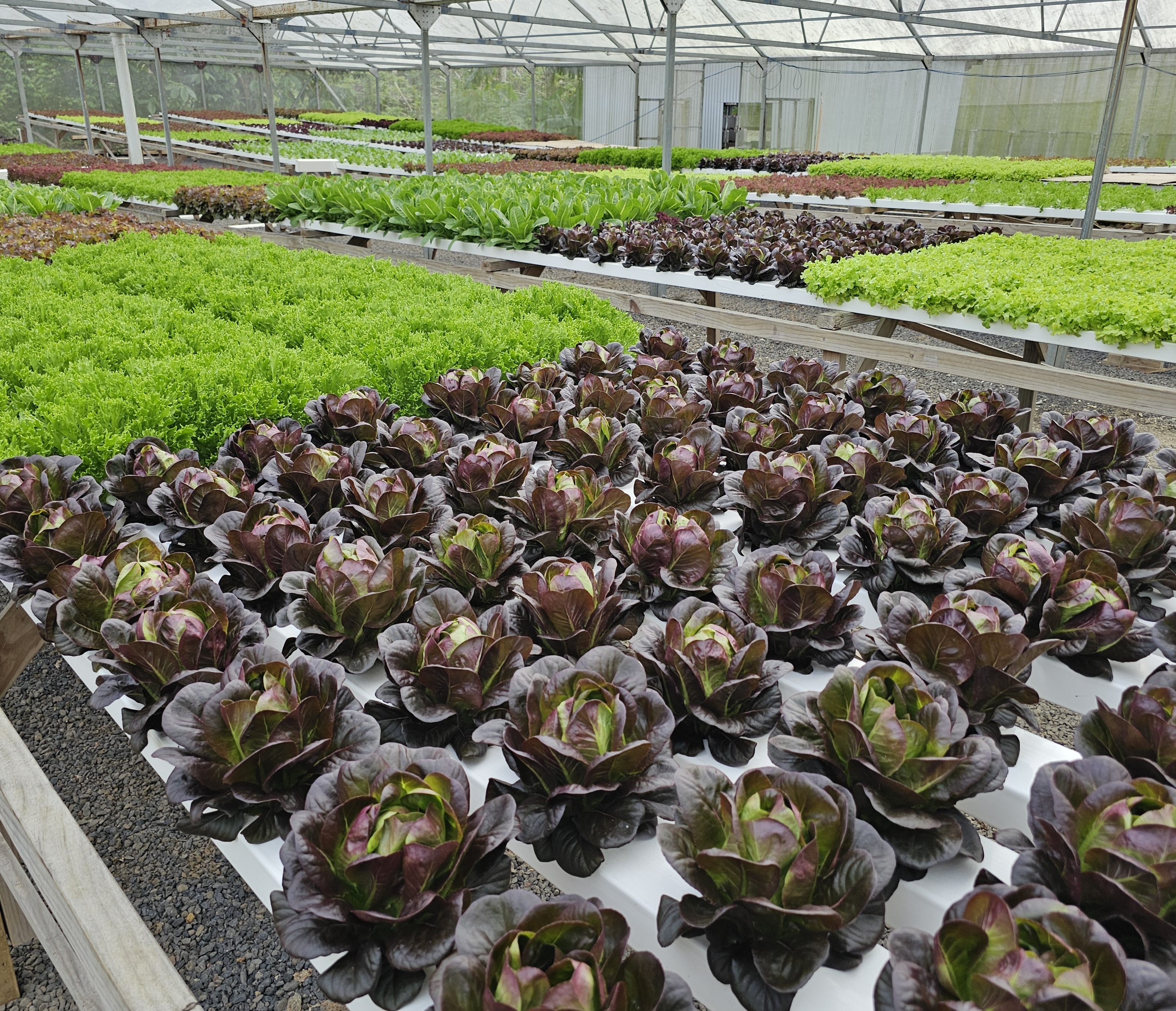
Sunshine Pacific, solar powered agriculture & hydroponics site, Samoa, 2025.
Energy security starts with access to fuel - or to alternatives
In many parts of sub-Saharan Africa, rising costs and fuel scarcity have affected transport, logistics and food prices, with knock-on effects for businesses and households already operating close to the margin.
In Kenya 20% of petrol stations are reportedly experiencing supply shortages. In South Africa, global supply chain disruptions drove diesel prices up by nearly 60% in a single quarter. In Somalia and South Sudan, prices have doubled, and in Zimbabwe fuel prices rose 40% in less than a month.
According to Zelalem Nigatu, Founder and CEO of Inter Ethiopia Solutions, a company specialising in e-waste management and solar home systems, "the challenge is not only rising costs, but the growing difficulty of accessing fuel when it is needed". For many small businesses that rely on diesel and petrol generators, fuel shortages are now causing both higher operating costs and reduced productivity, as disruptions limit their ability to maintain normal business operations.
The scale of the challenge is evident in Ethiopia's fuel prices. Since Inter Ethiopia Solutions began implementing its solutions, gasoline costs have more than doubled in less than two years.
The company mitigates this risk through deploying affordable DRE systems using second-life lithium-ion batteries, helping businesses and communities strengthen resilience to fuel market disruptions. By replacing diesel generation with a more reliable and cost-stable energy source, customers can continue operating during fuel shortages while reducing exposure to volatile fuel prices.
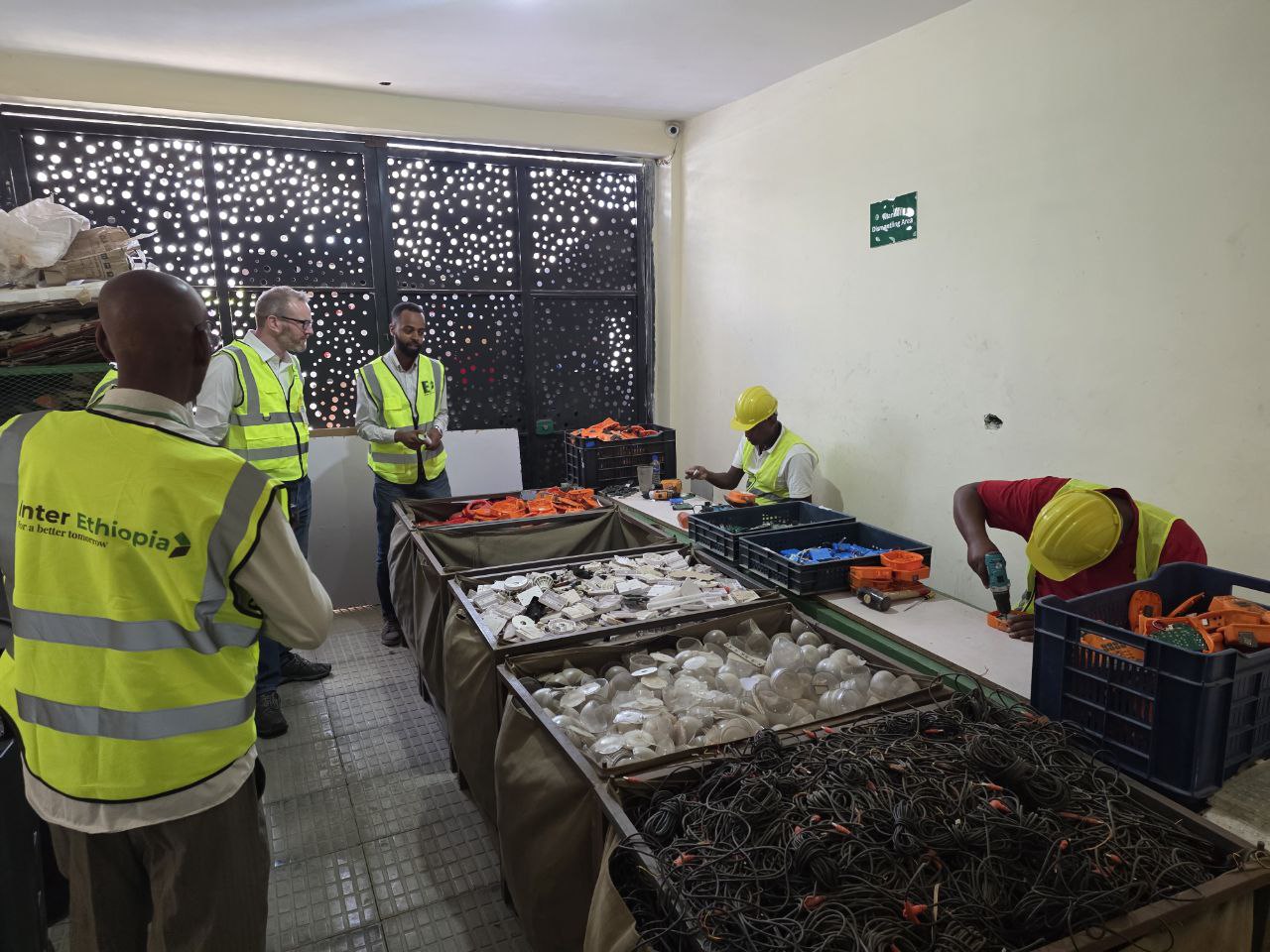
Inter Ethiopia Solutions site visit, Addis Ababa, 2025.
Protecting food systems and rural livelihoods
Because fuel underpins activities across the agricultural value chain, including irrigation, fertiliser production, transport, processing and cold storage, rising costs can affect everything from farm productivity to food availability and affordability.
For smallholder farmers, even a short period of unaffordable diesel during planting, irrigation or harvesting can reduce yields, affect crop quality and erode already fragile household incomes. Many countries also depend on fertiliser imports from the Middle East, where restrictions affecting the Strait of Hormuz are raising concerns over supply chain reliability.
Joseph Mungai, CEO of AceleAfrica, a clean energy enterprise working with businesses, smallholder farmers and community enterprises across East Africa, describes the fuel crisis as exposing a deeper structural vulnerability in how communities access and afford energy: “as fuel prices have surged, the cost of pumping water has become prohibitive, eroding margins on already thin farming incomes and making consistent irrigation economically unsustainable”. He goes on to explain that “farmers unable to afford diesel reduce watering frequency, directly affecting crop yields and quality. In drought-prone areas, this compounds climate risk with economic risk.”
The same dynamics are visible in fishing communities. In Homa Bay County on Lake Victoria, one of AceleAfrica’s customers, a fleet operator, describes how unpredictable diesel price increases have cut into the margins of every fishing trip: “the price of diesel keeps going up and I have no control over it. Every trip on the water, I am spending more and earning less.”
Within this context, AceleAfrica helps communities transition away from diesel dependency by supplying battery systems, shore-based solar charging and battery-swapping infrastructure for electric fishing vessels. The model is designed around operational resilience: while one battery pack is in use on the water, another can be charging on shore. By replacing recurring diesel expenditure and engine maintenance with a more stable clean energy system, the approach offers a route to protect livelihoods of fishing communities while reducing emissions.
Safeguarding essential services from fuel shocks
In humanitarian settings, fuel shortages are disrupting the delivery of essential, life-critical goods and services, with almost 60% of the Office for the Coordination of Humanitarian Affairs’ (OCHA) humanitarian partners in Somalia reporting impacts on aid operations, including higher costs for food, medicines and freight, as well as shipment delays. These pressures fall disproportionately on people already living in crisis, including refugees and displaced populations. According to the United Nations High Commissioner for Refugees (UNHCR), instability along key Gulf shipping routes is increasing the cost of humanitarian supplies and delaying deliveries, forcing agencies to reroute cargo and rely on longer transport corridors. Freight rates from some source markets have risen by nearly 17% since the start of the crisis, with costs for some shipments more than doubling.
Beyond humanitarian operations, fuel shortages can also undermine the delivery of essential services, including education, healthcare, water and sanitation. At the Apostles of Jesus Minor Seminary School in Rejaf, South Sudan, high and unpredictable diesel costs meant electricity was only available for limited periods, disrupting access to computers, cooling and clean water for students and staff. Through the Smart Villages initiative, implemented by Aptech Africa, the school received a sustainable energy storage system providing reliable power and water supply. As a result, students now have consistent access to learning resources, improved learning conditions and clean water, demonstrating how DRE can strengthen the resilience of essential services while reducing dependence on diesel generation.
For the healthcare sector, when fuel supplies are limited or unaffordable, clinics and hospitals can lose the power needed for lighting, refrigeration, communications and essential medical equipment. To combat this, Stellae Energy, a South African company supported by the Zero-Emission Generators, has implemented a solar-powered green hydrogen generation project to support reliable energy for rural healthcare. Three local healthcare clinics use solar PV and batteries supported by hydrogen fuel cells, allowing the clinics to operate consistently on clean energy rather than relying on intermittent diesel generation. Savings from avoided diesel costs can instead support frontline healthcare needs, including nurses, medicines and additional care.
What needs to change
The examples above demonstrate that DRE is becoming an increasingly important pillar of energy security in emerging economies. However, scaling its impact will require resilience to be recognised as a core part of its value proposition, alongside efforts to address persistent market barriers.
High upfront costs, particularly for battery storage, and limited access to affordable finance continue to hold back adoption. However, innovative business models such as energy-as-a-service, cooling-as-a-service, pay-as-you-go and leasing are helping to overcome these barriers by reducing capital requirements and expanding access to clean energy technologies for businesses and communities most vulnerable to fuel market disruptions.
Access to finance remains a challenge not only for end users but also for DRE providers. The International Energy Agency estimates that the cost of capital for energy projects in Africa is at least two to three times higher than in advanced economies and China, increasing costs across the value chain. Facilities such as the Green Genset Facility and Green for Access Facility are helping to improve access to finance, but significantly greater investment will be needed to scale reliable, affordable alternatives to diesel and petrol generation.
Finance alone is not enough. Long-term adoption also depends on customer confidence in the quality and reliability of DRE solutions. Strong installation standards, maintenance services and after-sales support are essential to building trust and ensuring these technologies can deliver resilience when it is needed most.
Scaling DRE beyond the crisis
Energy transitions are often framed as a long-term transformation. But for many communities, the need is immediate. As fuel prices rise, supply chains become less predictable, and climate and geopolitical shocks intensify, DRE is becoming a foundation for resilience. Fuel shocks are no longer exceptional events. They are becoming part of the operating reality for businesses, communities and public services in many emerging economies. The response cannot only be to manage the next crisis; it must be to reduce exposure to the systems that create it. Scaling DRE is one of the clearest ways to do that.
The question is increasingly not whether communities can afford to invest in resilience, but whether they can afford not to.
The Carbon Trust works with partners to design, finance and scale clean energy solutions that address real-world energy challenges. The enterprises and innovations featured in this article are supported through programmes including Powering Renewable Energy Opportunities (PREO), Energy Catalyst and ZE-Gen under the Transforming Energy Access platform, and demonstrate how distributed renewable energy can strengthen energy security, improve resilience and expand access to essential services.
To learn more about these programmes and the role of DRE in addressing critical energy challenges, visit the Carbon Trust Sustainable Development Vision and Solutions page or contact our team.
We would like to thank the innovators who contributed case studies and insights to this article, including Sunshine Pacific Limited, Inter Ethiopia Solutions, Zuhura Solutions, Acele Africa, Smart Villages Research Group and Stellae Energy.
Thank you to contributing authors Will Jones, Jonathan Clowes, Nadia Algera and Pablo Alvarez.