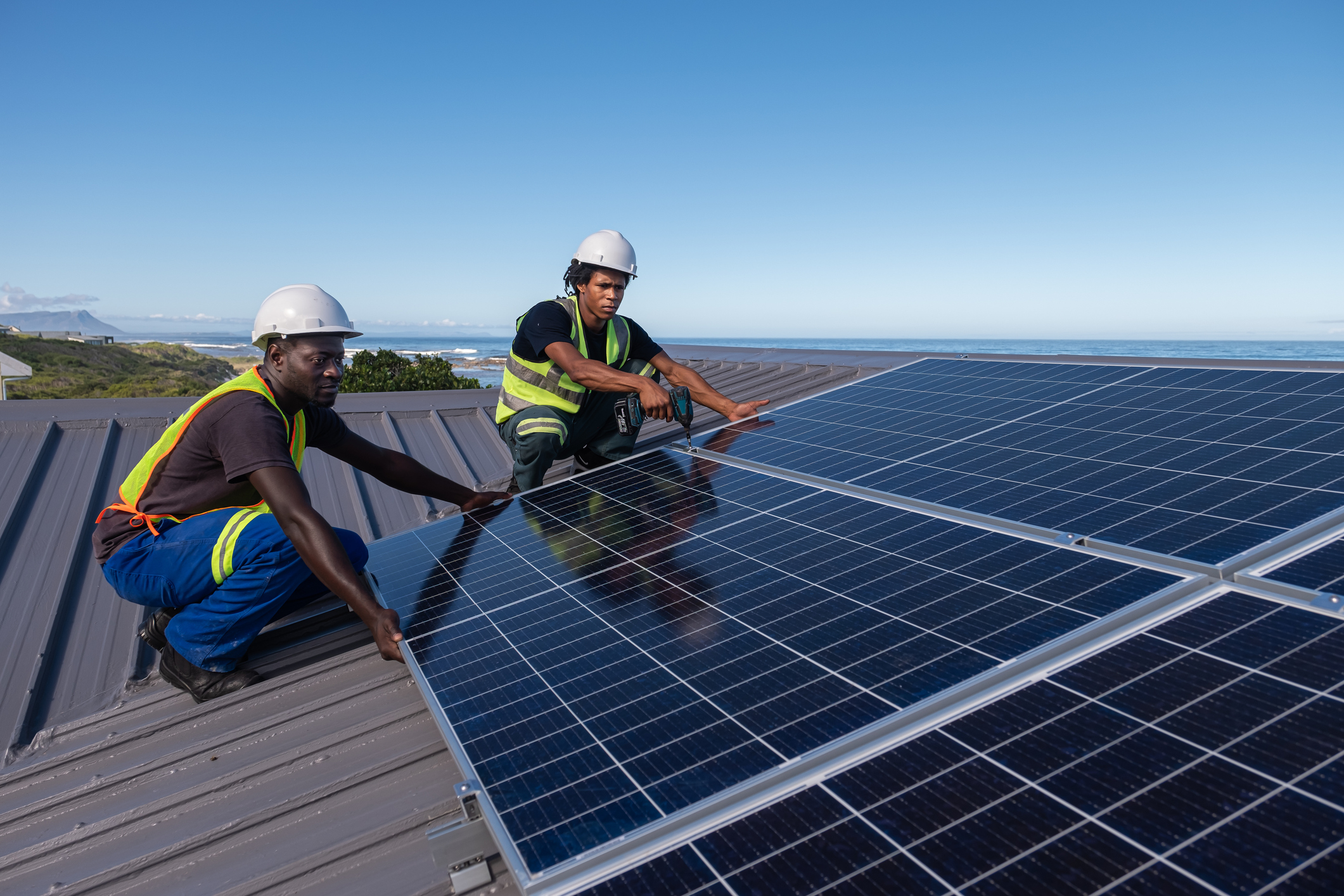
Are insurers at risk of under-pricing climate risk? As floods, droughts, tropical cyclones and extreme heat become more frequent and severe, a critical question is whether current underwriting, pricing and capital models remain reliable in a changing climate.


Why climate risk matters now for African insurers
Across Africa, climate change is already reshaping the operating environment for insurers; affecting households, businesses, infrastructure and public finances. Recent severe flooding in Limpopo and Mpumalanga, together with prolonged droughts across southern Africa, shows that climate-related hazards are no longer isolated events but part of growing climate variability and more frequent extreme weather.
For insurers, these changes can create direct financial risk. More frequent floods, for example, may increase property, motor and business interruption claims, while prolonged drought can affect agricultural portfolios, household income and wider economic conditions. Extreme heat can also influence health and life insurance claims through heat-related illness and broader socio-economic stress. These physical risks can alter the underlying risk profile of policyholders and insured assets, making historical claims experience a less reliable basis for pricing, reserving and underwriting. Transition risks can also affect insurers, as evolving policy, regulation, technology and market expectations may influence asset values, insurance affordability and long-term portfolio performance.
Unlike many other sectors, climate-related risks affect insurers on both sides of the balance sheet: the liabilities created through underwriting and claims, and the assets held to meet future obligations. For general insurers, climate impacts can lead to higher catastrophe losses and greater claims volatility as well as increased pressure on reinsurance arrangements. For life and health insurers, changing mortality and morbidity patterns, heat-related illness, climate-sensitive diseases and wider socio-economic disruption may influence claims experience and long-term liabilities.
These risks are further amplified by socio-economic vulnerabilities across many African markets, including high levels of inequality, infrastructure constraints, water stress, food insecurity and limited financial resilience. For example, in South Africa, wealth distribution remains among the most unequal in the world, with the top 10% of the population holding approximately 86% of aggregate household wealth, while more than half of the population has more liabilities than assets. Such inequalities reduce the ability of households and businesses to prepare for, respond to and recover from climate-related shocks. These vulnerabilities can widen protection gaps, reduce the ability of policyholders to absorb premium increases, and increase the severity of losses when climate-related shocks occur.
Climate change should therefore be understood as a cross-cutting risk driver rather than a discrete risk category. It amplifies existing underwriting, market, credit, liquidity and operational risks, reinforcing the need to integrate climate considerations into existing governance and risk management processes rather than treating climate as a standalone workstream. At the same time, the external landscape is evolving. International reporting frameworks such as IFRS S2, together with climate-related supervisory guidance from regulators such as the Prudential Authority in South Africa and emerging expectations across African jurisdictions, are placing greater emphasis on climate governance, risk management, scenario analysis and decision-useful disclosure. Although regulatory maturity differs across the continent, the overall trajectory is clear. This reinforces the importance of developing capabilities that enable insurers to identify, assess and manage climate-related risks in a structured and proportionate manner.
From awareness to practical climate risk integration
For many African insurers, the challenge is no longer recognising climate change as a material issue but embedding climate considerations into existing business processes. While climate-related commitments and disclosures have become more common, integration into enterprise risk management, actuarial modelling, underwriting, capital planning and Own Risk and Solvency Assessment (ORSA) processes remains at varying levels of maturity across the sector. Traditional actuarial models rely heavily on historical claims experience and assumptions that often do not capture the increasing frequency, severity and uncertainty associated with climate change. Over time, this can lead to mispricing and increased vulnerability to climate-related risks.
Progress is often constrained by several common challenges across African markets. Limited availability of long-term, geographically resolved climate and insurance data can restrict quantitative analysis. Internal capability gaps in climate science, actuarial modelling and scenario analysis may slow implementation, while responsibilities for climate risk are frequently distributed across sustainability, risk, actuarial and finance functions without clearly defined governance arrangements. These challenges highlight the importance of cross-functional collaboration and capability development as part of climate risk integration.
While these challenges are real, they need not prevent progress. A common misconception is that climate risk integration can only begin once robust climate data and sophisticated quantitative models are available. Our experience suggests the opposite. Organisations that make the most progress are rarely those with the most data, but those that start embedding climate considerations into governance and decision-making early, while continuing to refine methodologies over time. Waiting for certainty may itself become a source of risk in an environment that is increasingly uncertain.
Importantly, insurers that begin addressing these challenges early can also unlock significant strategic opportunities. A stronger understanding of climate risk can enable more informed underwriting, improve pricing approaches, guide product innovation and help insurers create solutions that build resilience for households, businesses and communities. More robust climate governance and transparent disclosure can also strengthen engagement with regulators, investors, reinsurers and policyholders while supporting long-term business performance.
Climate risk integration is therefore best viewed as a capability-building journey rather than a compliance exercise. By progressively embedding climate considerations within governance, enterprise risk management, actuarial modelling and strategic decision-making, insurers can strengthen adaptability to a changing climate while supporting sustainable growth across African insurance markets.
A practical approach is to build climate capability progressively. Rather than seeking immediate quantitative precision, insurers can adopt a phased approach that strengthens governance, improves understanding of material climate risks and incrementally incorporates climate considerations into decision-making as data, methodologies and internal capabilities evolve. While each insurer's journey will differ depending on its size, operating context and level of maturity, several actions can help accelerate climate risk integration:
- Understand materiality by identifying where physical and transition risks are most significant across underwriting portfolios, investments and operations.
- Strengthen governance by clearly defining board and management accountability and embedding climate considerations within enterprise risk management processes.
- Use scenario analysis to explore the viability of business models, underwriting portfolios and capital positions under different climate futures.
- Build capability incrementally, recognising that qualitative assessments can provide valuable insights while quantitative methodologies continue to mature.
- Embed climate into business decisions, ensuring that insights inform underwriting, pricing, capital planning, product development and strategic planning rather than remaining within sustainability reporting.
Taking these steps enables insurers to move beyond climate awareness toward practical, risk-informed decision-making that supports long-term resilience.