As the public debate on securing our future energy needs
continues to heat up, one thing is certain. Kicking the
fossil fuel habit will be hard. Over two billion people in the
developing world need more energy. Even with major
improvements in energy efficiency and huge growth in alternative
energy, fossil fuels will be the dominant source of energy in
mid-century.
But the fossil energy bonanza cannot go on as it is. Climate
change must be tackled because of its environmental and economic
impacts - mainly from floods and droughts.
Unfortunately, energy from the sun, though huge in aggregate, is
dilute compared with fossil fuels. Solar panels would need to cover
an area over two hundred times that of a gas fired power station to
deliver the same amount of electricity. A ton of water would need
to be lifted ten miles high to have the potential energy available
from a gallon of petrol. This means that alternative energy won't
be cheap.
The extra costs for the right choices on low carbon energy are
about 1-2% of the economy and, though not trivial, are affordable.
Major improvements in energy efficiency are key to keeping these
costs down. Crucially, the cost is lower than the economic damage
from climate change.
But the wrong technology choices can waste of tens of billions
of pounds that could otherwise be spent on houses, schools and
hospitals. That is why engineering reality, costs and markets
should guide us, not emotion.
So beware the paradox of perfection and let's get real about the
awkward and messy choices for electricity. Development of future
generation technologies must continue but for the next twenty years
or so there are three big low carbon electricity technologies that
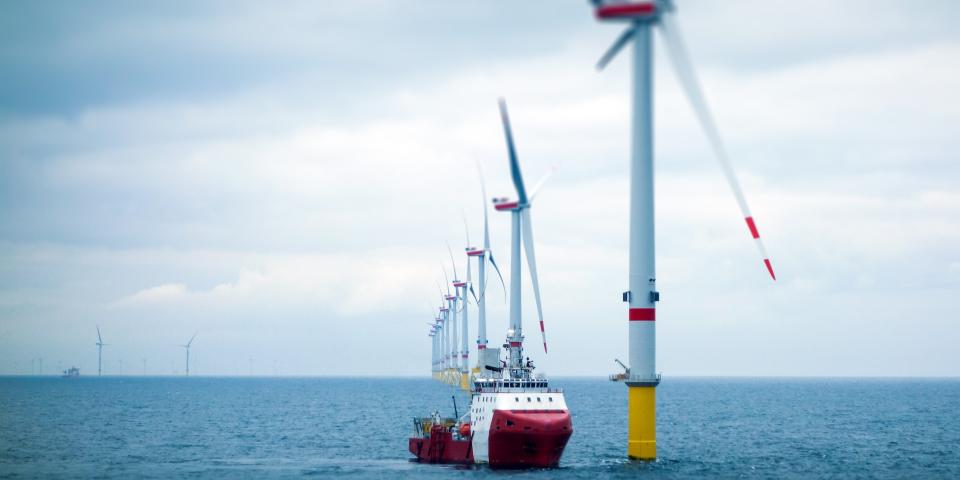
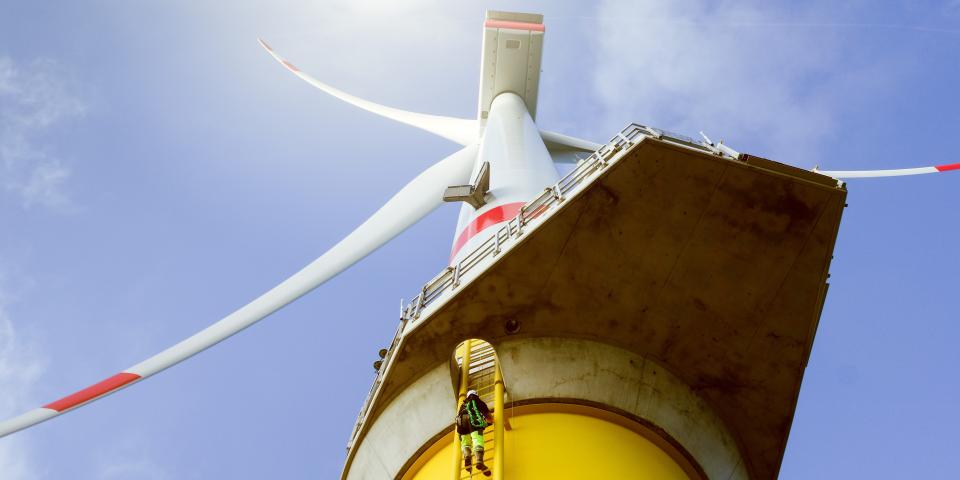
matter. These are nuclear, wind (mostly offshore) and carbon
capture and storage (CCS) - applied to coal, gas and biomass.
Government has acknowledged this in its recently published Carbon
Plan.
But time is short and each of these technologies needs a big
push. They must be fully evaluated at scale and then deployed.
Carbon markets on their own are not yet strong enough to make
this happen. Equally, blank cheques for everlasting subsidies
undermine innovation and create waste. So an approach in two phases
is needed. The first phase is shorter and involves technology
evaluation stimulated by competitive launch aid. In the second,
long term phase, the electricity and carbon markets must set a
market based, competitive framework.
The first phase of evaluation, using launch aid, should be
limited to a few new gigawatts of each of the three technologies.
This will do three things - begin to create a supply chain;
generate ideas for future cost reduction; and confirm the costs of
each technology, both absolute and relative. There are already
plenty of opinions about these technologies. We should encourage
launch aid for evaluation and suspend judgement until the
evaluation has been done.
The launch and evaluation phase will last for much of the coming
decade. Costs should be shared internationally. We should do those
parts in the UK that play to our advantages such as IT, advanced
design and large scale process engineering.
Clearly the positions of nuclear, offshore wind and CCS are far
from identical. So the launch aid will take a variety of forms and
must be kept to a minimum through competition and tough
negotiation. Companies should be encouraged with launch aid but
they should not earn excess profit from it.
In the second phase, the unseen hand of a competitive market,
with carbon costs included, will make the most cost effective
choices. There is likely to be some combination of nuclear, wind
and carbon capture and storage. It is quite possible that biomass,
sourced sustainably, will be an important fuel. The carbon market
should ensure that increasingly plentiful gas is used mainly with
carbon capture and storage.
Much of what is needed for this two phased approach already
exists in Government policy. Carbon capture and storage
demonstrators and electricity market reforms are examples. New
institutions, based on a 'systems operator', have already been
signaled by Government.
But the idea of this two phased approach, focussing on three big
technologies has not been spelled out. Perhaps Government
fears being criticised as intervening in the market. But launch aid
is an established tool in modern market economies. The two phased
approach offers the best chance for reliable, low carbon
electricity at the lowest cost. It also offers high value jobs from
low carbon technological edge.
James Smith is Chairman of the Carbon Trust and retired
Chairman of Shell UK